“They really need to say this at the start of every Council meeting,” whispered my friend.
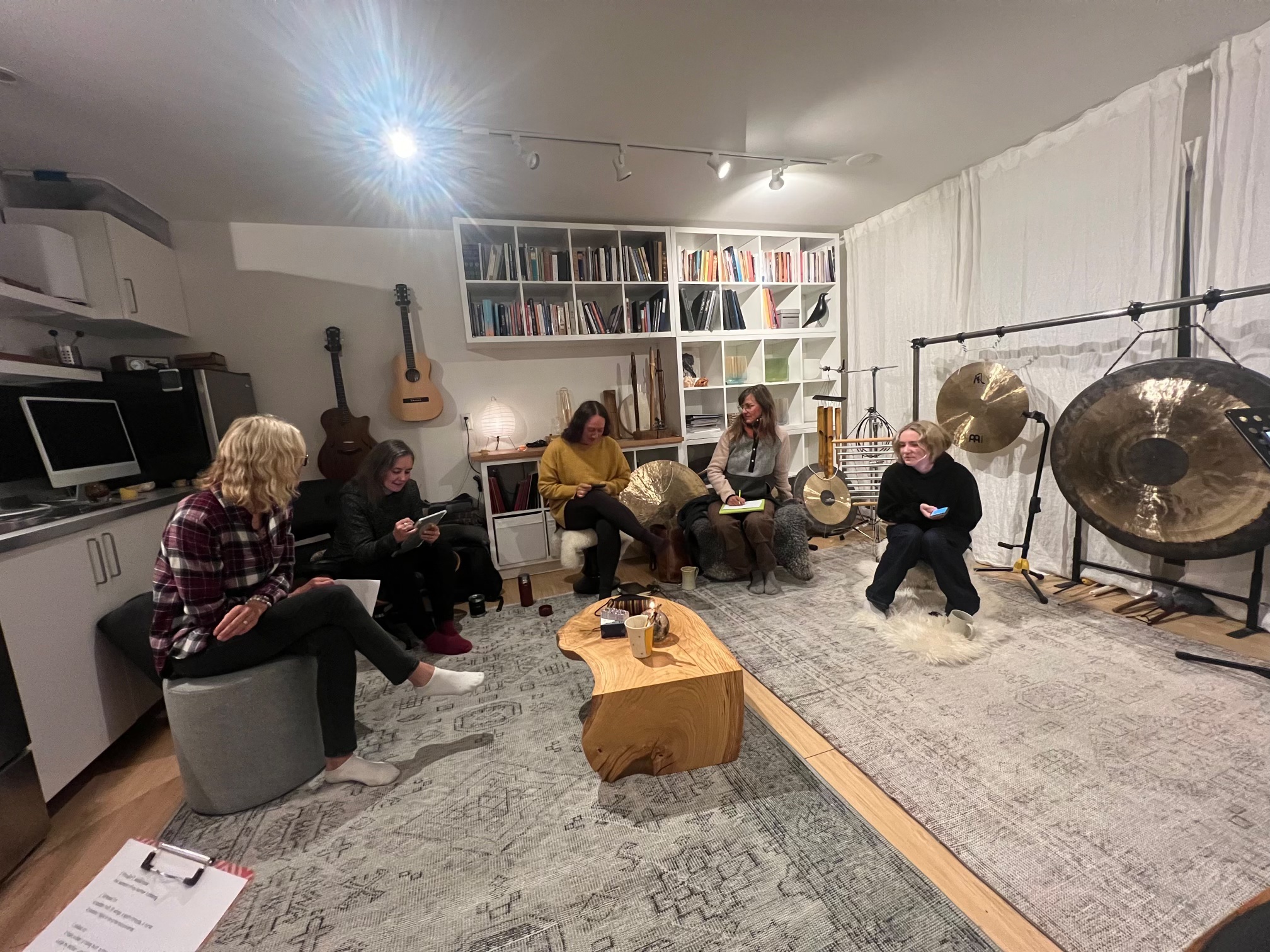
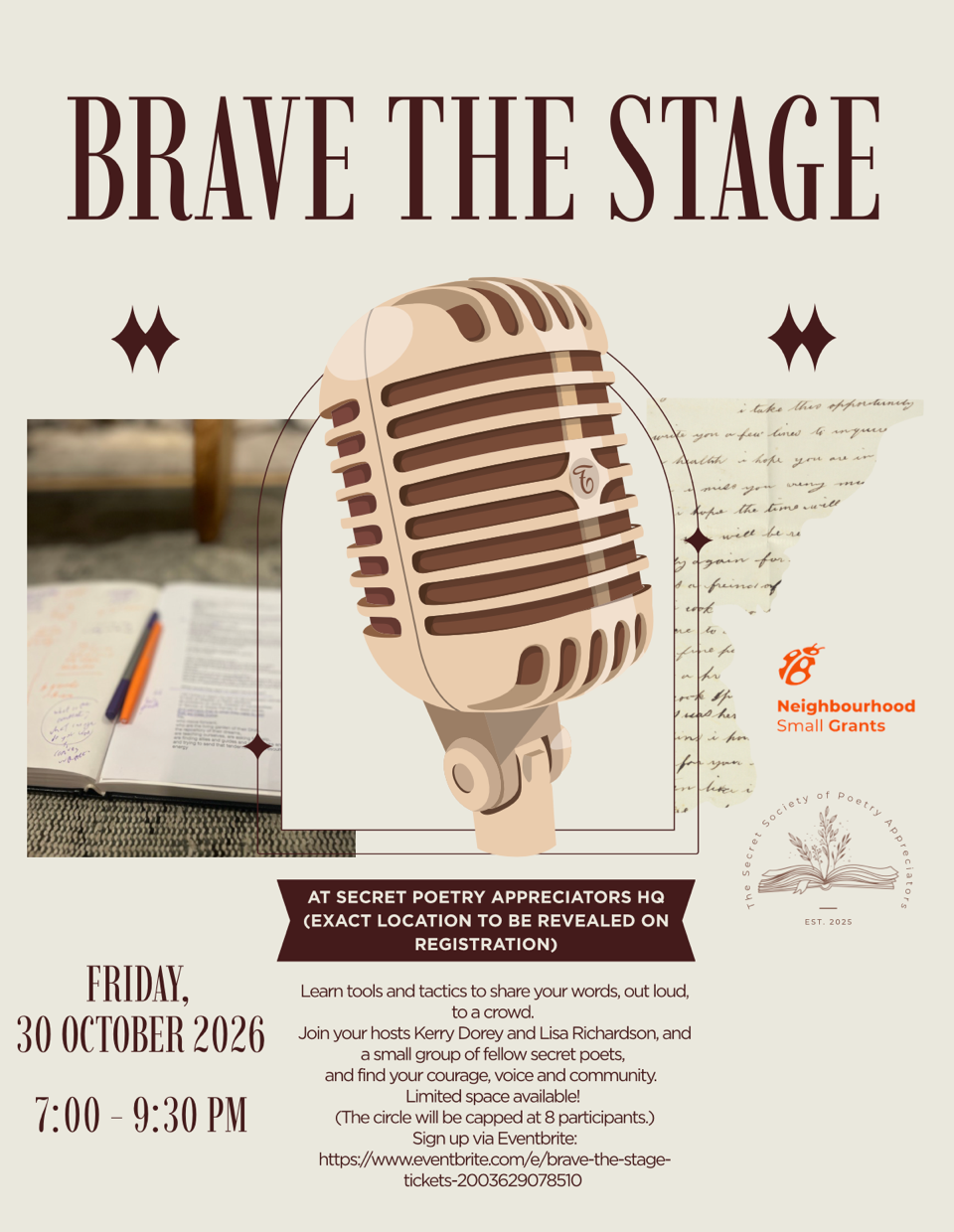
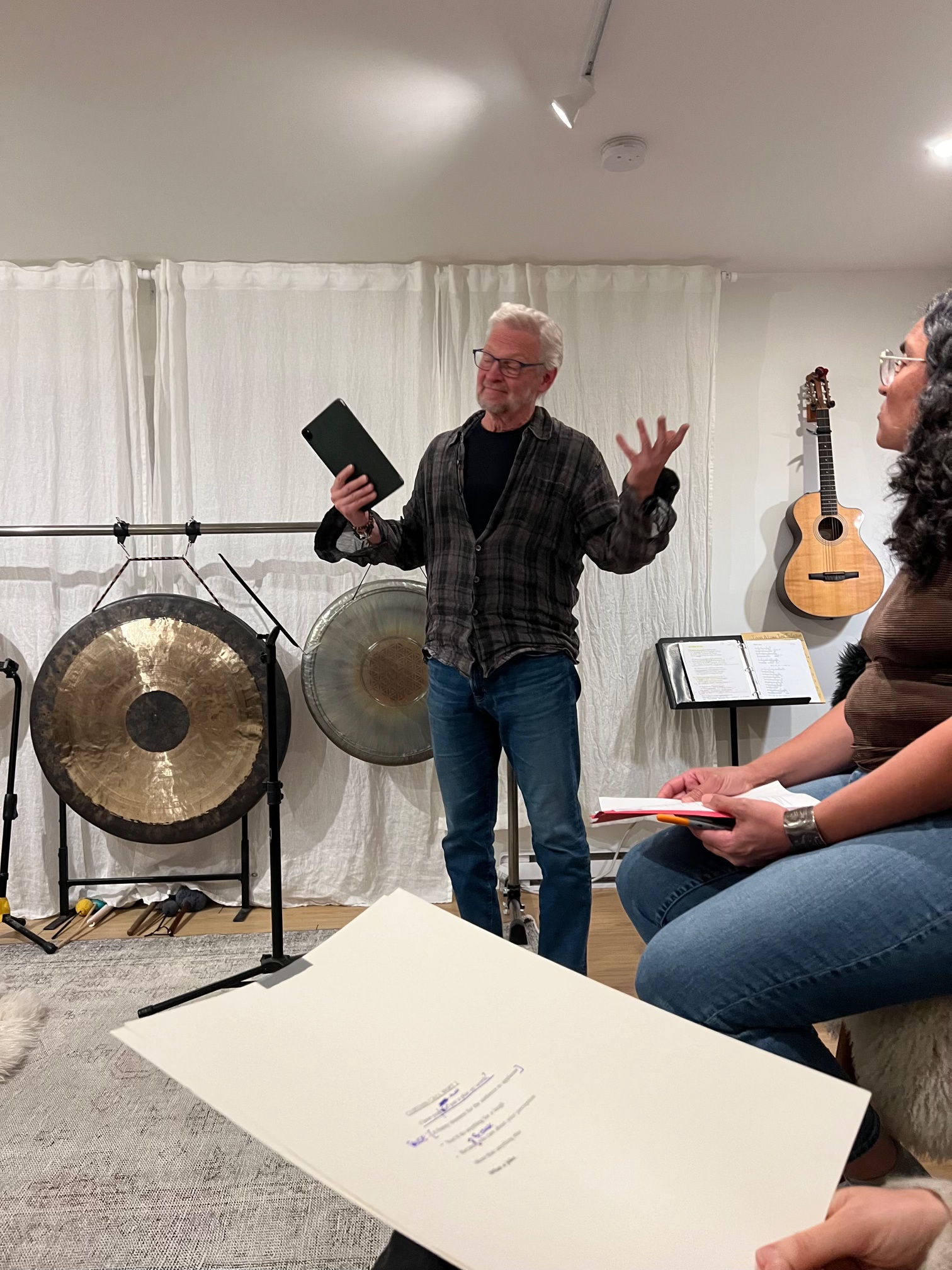
“We will not eat each other” is how I’d opened a small gathering for poets about to learn techniques of the theatre to embolden them to read their own work out loud.
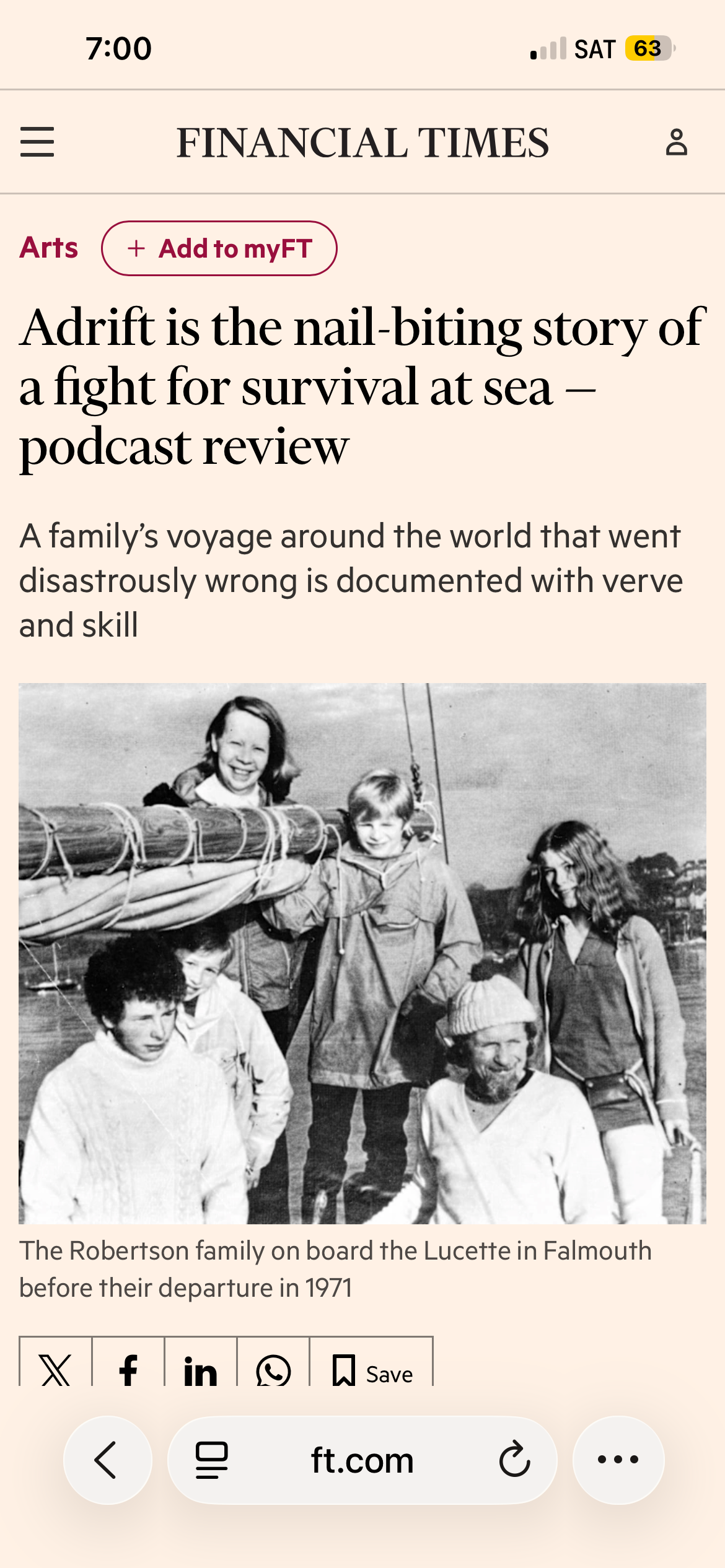
I’d pinched the phrase from the podcast Adrift, a serialized drama about the survivors of a small boat that sinks in the Pacific Ocean. Huddled in the life raft, taking stock of their grim situation, the family members grabbed each other’s hands, and made a pact: No matter what happens, “we will not eat each other.”
Creativity is like any other realm where scarcity and survival loom large. It’s easy to turn on those nearest you, to eat them in order to increase your shot at making it. It’s worth making explicit that that is not what is going to happen when you are sitting in a life raft, a workshop, or in community with other people.
We’re living in times where the niceties of human civil society need to be made explicit again. So let us vow not to eat each other. (And mean it.)
Until the weather turned and my ears began to freeze off, I’d been riding my bike to the gym. The road I travel on has no lights, no lines, no shoulders, and poor sightlines, with bitumen that is a patchwork of gravel and glue doing a bad impression of being road, and a tragic volume of empties and fast food wrappers in the overgrown ditches. In short: it’s a wild west governed only by people’s inherent sense of right and wrong. And I’ve noticed that nine out of ten vehicles that pass me give a generous swerve, and I appreciate the appreciation so much, that I’ve often thought, as I pedal, “I should write about that in a column to say thanks for being so considerate.”
(Thank you, kind swervers and attentive drivers. I really appreciate you.)
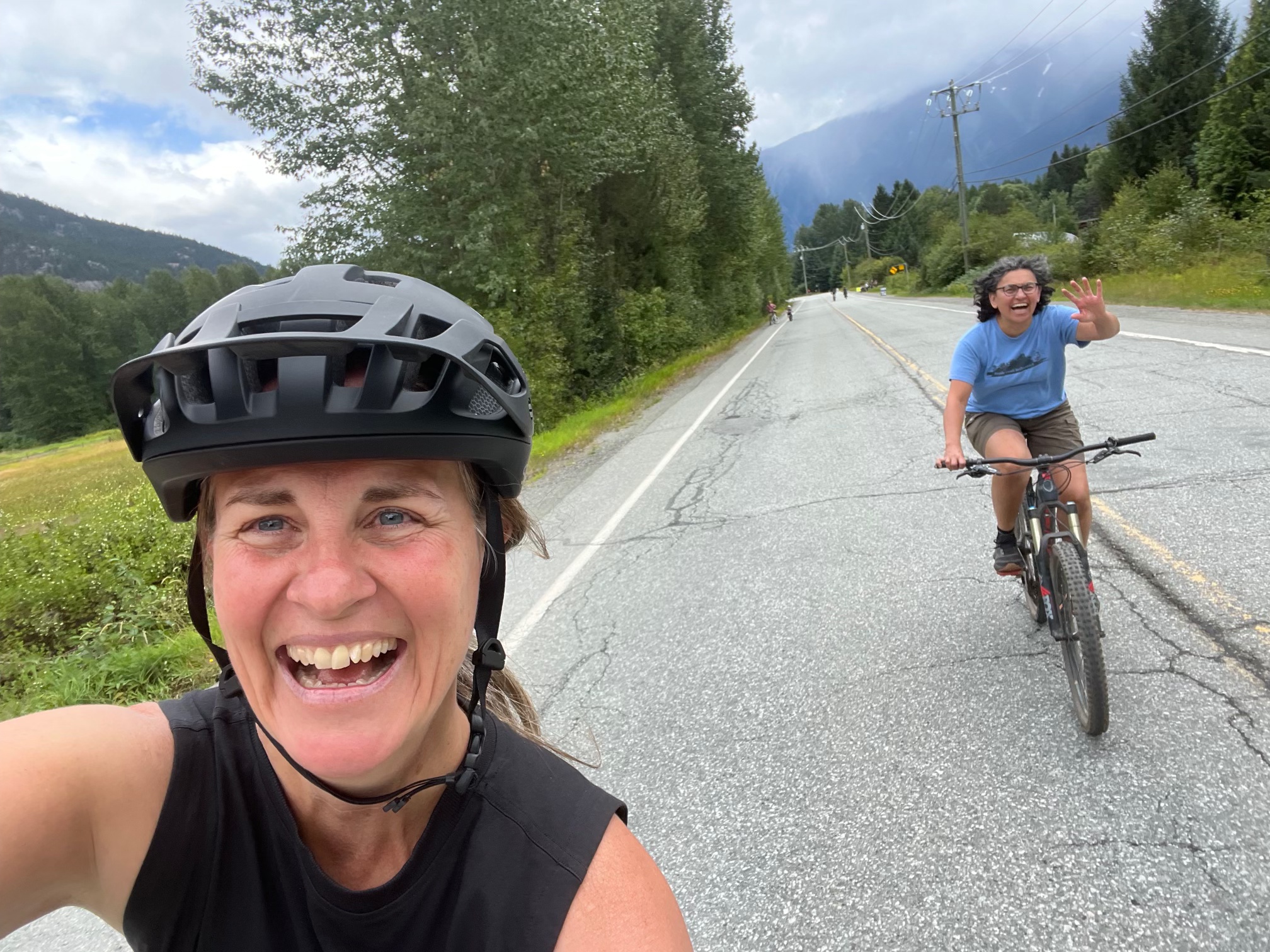
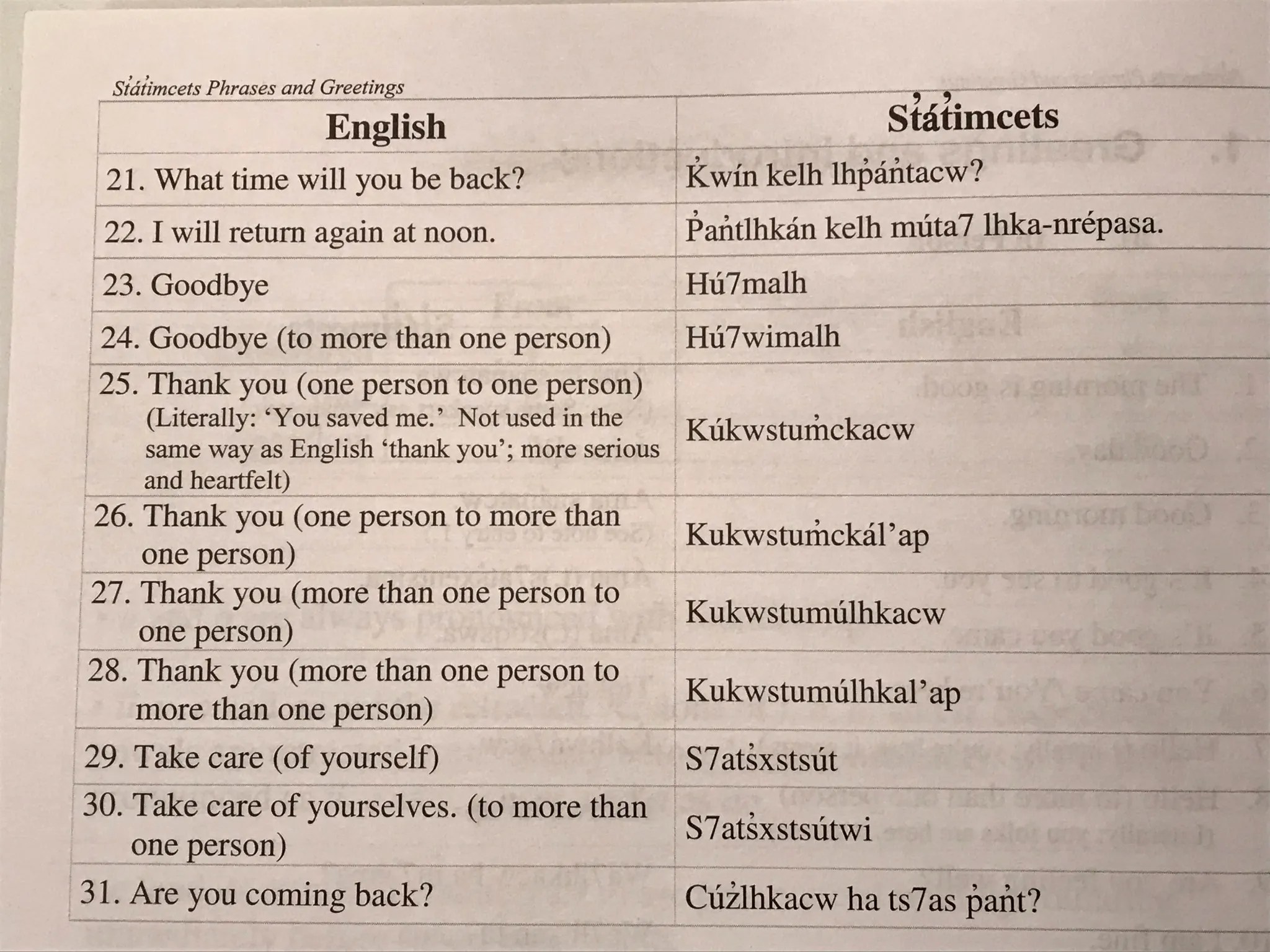
In Ucwalmícwts, which is the language of the land here, of the St’at’imc people, the root of the word “thanks” or “kukwstum”, is “kukws”, meaning “to help someone”. The literal translation of the Ucwalmícwts word for thankyou (“kúkwstum̓ckacw”) is “you saved me.” (The dictionary notes “it is more serious and heartfelt than an English “thankyou.”) It feels particularly on point when you’re on a bike, to make the link between the sentiments “thank-you” and “you saved me”, to a thoughtful driver.
As Newton’s laws of motion would demand, there is the equal and opposite reaction —the “thanks for nothing,” “you did not save me” moment, that takes place, inevitably, as I’m thinking appreciative thoughts towards the general civility of humans. The close-passer. The did-you-actually-swerve-closer-to-me driver. The you-going-faster-doesn’t-make-this-a-better-experience-for-me truck. The holy-shit-for-real?-buzz-by.
I wonder about this curious minority behaviour. I wonder if it’s intentional or just numb. I wonder if it’s personal, or if they do this to everyone. I wonder if they would self-identify as anti-social or as a righteous vigilante dispensing road justice. I’m grateful they’re in the minority. They make everyone else seem like excessively considerate drivers, instead of just garden variety decent.
My rough statistical impression tracks with what psychology and sociology suggest: the vast majority of people act “prosocially” – cooperatively, peacefully and with baseline decency. And unless you fall in the tiny minority of those who skew sociopath, you have to be encouraged or influenced in the other direction.
In short: people good, unless encouraged to be bad.
Such discouraging encouragement seems pervasive these days, and it’s both explicit and implicit, overt and underhanded, made everywhere by bad examples and bad actors, which leaves me wondering if if those of us with platforms (be that running countries, hosting small poetry meetings, or writing columns in which we can expound for 900 words) need to help make prosocial behaviour great again.
We do not swerve to hit cats and dogs, kids, grannies or bike-riders for sport. We do not throttle back contracted and paid for satellite services in a war zone. We do not lie to people’s faces. We do not interfere in other people’s elections. We do not falsely accuse other people in order to get our own way. We do not kick people when they’re down, we do not kidnap people off the street, we do not assault or traffic women, children, or anyone. Even when we feel threatened and vulnerable, even when the world feels full of scarcity, we do not snatch someone else’s toy, punch them in the face, or eat each other.
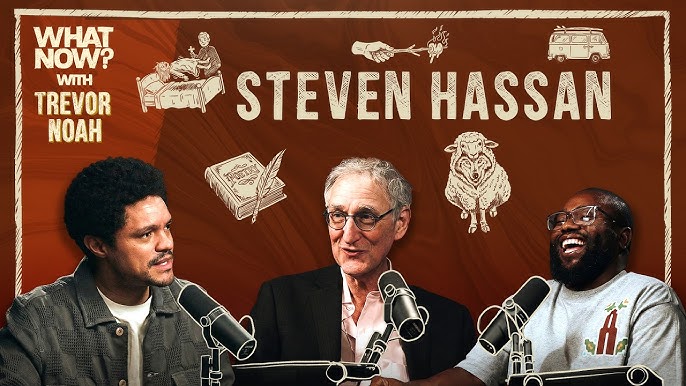
In a recent podcast, Dr Steven Hassan an expert in cult psychology and manipulation techniques explained, in his opinion, what is at stake right now: we either all work together to save this planet, or we start eating each other. “We are either going to continue to evolve as a species with the goal of planetary survival, which means cooperation with other countries, or it’s the authoritarians versus the rest of us (who want rule of law and human rights and gay rights and women’s rights and indigenous rights and minority religious rights.) I think that there’s more of us than them, and we just need to understand correctly to diagnose the situation and approach it.”
This, then, is the explicit bit: Once you decide that cannibalism is in, you’ll never sleep easy again. You’ll always be watching over your shoulder. And so you should. You broke the pact. The pact that Indigenous ways of knowing and being keep pointing us back to: We are all in this together. Our planetary survival depends on us remembering it. And behaving like it.

